
From selfies to science, astronauts aboard Orion document life, work and discovery during their historic Moon flyby.

Glimpses from Artemis II's dramatic return to Earth

NASA's Artemis II mission, launched on April 1, 2026, marks humanity's return journey to the Moon with four astronauts aboard the Orion spacecraft. Commander Reid Wiseman, Pilot Victor Glover, Mission Specialist Christina Koch, and Canadian astronaut Jeremy Hansen are on an approximately 10-day mission around the Moon. Stunning images from Orion's windows capture breathtaking views of Earth after the historic translunar injection burn.

The glimpses from NASA's Artemis II mission capture a historic moment -- preparations for humanity's return to the Moon for the first time since the Apollo 17 Moon landing in 1972.

The Artemis II mission has made history as its astronauts journeyed farther from Earth than any humans before, conducting a lunar flyby and observing the moon's far side in unprecedented detail.

A crew of four astronauts boarded their spacecraft for the landmark flight, which represents a major milestone in lunar exploration.

Four astronauts from NASA's Artemis II mission have safely returned to Earth after completing a historic flyby of the moon, marking the first human journey to the moon in over 50 years.

After 54 years, the human race will set out for an encounter with planet earth's closest neighbour, the Moon. The Artemis II Moon mission was initially scheduled to launch in February as a 10-day lunar flight, carrying four astronauts -- NASA's Reid Wiseman, Christina Koch and Victor Glover, along with Canadian astronaut Jeremy Hansen.

After days of intense activity, this phase is about staying sharp and ready for the last critical steps.

For the first time, there will be an Indian connection to a crewed Moon mission.

The mission ferries four astronauts -- NASA's Reid Wiseman, Christina Koch and Victor Glover and Canada's Jeremy Hansen -- onboard the Orion spacecraft for a 10 day lunar flyby. Unlike the Apollo missions that aimed for landing, Artemis II is focused on testing. The crew will evaluate critical systems such as life support, navigation, and communication in deep space -- essential steps before humans can return to the lunar surface.
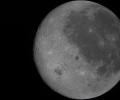
The National Aeronautics and Space Administration (NASA) on Monday said the crew of Artemis II is preparing for a historic lunar flyby that will take humans farther from Earth than ever before.

'This may open up doors for private players in India to collaborate with global players in commercial missions.'

The eight active NASA astronauts and one former astronaut-turned-corporate crew member will launch on Boeing CST-100 Starliner and SpaceX Dragoncapsules to the International Space Station beginning in 2019.

The Emmy nominations for 2018.
